Tracking the Deep Pockets: Mastering Whale W
By TradeSetup Research Terminal
Published: May 22, 2026
The greatest illusion in the cryptocurrency markets is that price action is purely driven by chaotic, decentralized retail sentiment. Retail traders spend countless hours staring at static candlestick charts, calculating trendline retests, and obsessing over lagging technical indicators like moving averages. They treat the market like an unpredictable force of nature, completely blind to the fact that every single macro trend, sudden flush, and parabolic rally is planned and executed by a small group of high-net-worth entities.
In the digital asset ecosystem, these elite entities are known as Whales.
Whales encompass institutional hedge funds, venture capital firms, crypto foundations, early-stage insiders, and centralized exchange market makers. Because of the sheer size of their capital reserves, a single transaction from a whale wallet can instantly shift market structure, spark intense retail FOMO, or trigger a cascading liquidation event that wipes out billions of dollars in open interest.
But unlike traditional financial systems (TradFi)—where institutional orders are hidden behind dark pools, opaque corporate ledgers, and delayed regulatory filings—the cryptocurrency ecosystem operates on a public immutable ledger: The Blockchain.
Every single buy, sell, stake, transfer, and swap executed by a multi-million dollar whale leaves a permanent, transparent, and completely unalterable digital footprint on-chain. If you know exactly how to decode these raw data streams, you no longer have to guess where price is going. You can spot institutional accumulation months before the public hears about it, and anticipate devastating market dumps before they ever hit the order books of centralized exchanges.
At TradeSetup.online, we transform transparent blockchain data into actionable trading edges. In this comprehensive operational manual, we will break down the mechanics of On-Chain Order Flow Analysis, expose the secret wallets of smart money, explore the technical indicators of exchange flows, and provide you with a systematic playbook to track whale wallets and position your capital alongside the largest market movers in existence.
Chapter 1: The On-Chain Architecture – How to Find Smart Money Wallets
To successfully track a whale, you must first learn how to filter out the noise. Millions of transactions happen on the blockchain daily. If you simply track every large wallet address, you will get bogged down by automated market-maker bots, internal exchange shuffling, and dead capital. You must specifically hunt for Smart Money Wallets.
                      ┌────────────────────────────────────────┐
                      │       SMART MONEY WALLET TYPOLOGY      │
                      └───────────────────┬────────────────────┘
                                          │
            ┌─────────────────────────────┴─────────────────────────────┐
            ▼                                                           ▼
       THE INSIDER CRYPTO WALLETS                                  THE VENTURE CAPITAL NODES
  • Belongs to core protocol developers.                     • Wallets of funds like Paradigm/a16z.
  • Receives direct, early unreleased supply.               • Moves tokens months before unlocks.
  • Dumps tokens right before bad tech updates.              • Signals structural long-term supply shifts.
Smart money addresses generally fall into three distinct algorithmic categories:
1.1 The Insider / Developer Nodes
These are wallets belonging to the founders, core developers, early advisors, or foundational treasuries of specific crypto protocols. Insiders have deep, asymmetric knowledge of product release timelines, hidden security bugs, regulatory updates, and strategic partnerships long before they are announced on social media. When these wallets start accumulating tokens quietly from decentralized pools, a massive bullish announcement is typically imminent. Conversely, when these wallets begin distributing assets to exchanges, an immediate structural top is forming.
1.2 The Venture Capital (VC) & Institutional Vaults
These wallets belong to massive web3 investment funds such as Paradigm, a16z Crypto, Binance Labs, and Pantera Capital. By tracking their public multi-signature (multi-sig) vaults, you can monitor exactly when their seed-round tokens are unlocking and moving. If a VC fund moves millions of dollars of an asset that has been locked for two years into a liquid wallet, they are preparing to realize profits, creating an immediate overhead supply threat.
1.3 The Asymmetric Profitable Flips (The Alpha Wallets)
An Alpha Wallet is a decentralized address that boasts an exceptionally high win rate or an absurdly high return-on-investment (ROI) on low-cap or mid-cap tokens. These are not necessarily institutions; they are often highly sophisticated independent traders using custom private scripts or holding direct insider information. By utilizing on-chain scanners, you can reverse-engineer the blockchain ledger to find wallets that bought a token days before it rallied 1,000%, extract those addresses, and place them on a permanent surveillance watch list.
Chapter 2: The On-Chain Tool Stack – Setting Up Your Surveillance Grid
You do not need a multi-million dollar institutional terminal to track whale wallets. The open-source nature of blockchain technology has allowed developers to build highly sophisticated, accessible, and incredibly powerful on-chain tracking grids. To deploy the TradeSetup.online framework, you must master these core diagnostic tools:
[Raw Blockchain Explorers] ──> [Visual Visualization Scanners] ──> [Real-Time Programmed Alerts]
2.1 Etherscan / Solscan (The Raw Ledger Explorers)
Blockchain explorers are your absolute baseline foundation. Every chain has its own primary explorer (e.g., Etherscan for Ethereum, Solscan for Solana, Arbiscan for Arbitrum). These platforms allow you to input any token contract address, look at the “Holders” tab, and instantly view the top 100 wealthiest addresses controlling the supply. You can audit their transaction history, track where their gas fees are funded from, and see exactly what other assets they are currently holding in real time.
2.2 Arkham Intelligence (The De-Anonymization Entity Engine)
Arkham Intelligence is a revolutionary platform for on-chain investigators. It utilizes an advanced AI entity engine to link pseudo-anonymous blockchain addresses to real-world corporate entities, hedge funds, and individual traders. Arkham allows you to view a visual, interactive network graph of exactly where a whale’s funds are flowing from and where they are being sent, completely stripping away the veil of blockchain anonymity.
2.3 DeBank / Nansen (The Portfolio Analytics Suites)
DeBank and Nansen specialize in real-time wallet portfolio tracking across multi-chain decentralized finance (DeFi) ecosystems. By entering a smart money address into DeBank, you can instantly see their full net worth, their exact open yield-farming positions, their locked staking rewards, and the precise tokens they are swapping on decentralized exchanges (DEXs) like Uniswap or Raydium.
Chapter 3: The Algorithmic Mechanics of Exchange Flows
One of the most immediate, high-probability leading indicators of market direction is the macroscopic movement of tokens between Private Self-Custody Wallets and Centralized Exchanges (CEXs) like Binance, Coinbase, and OKX. This structural data stream is split into two primary metrics:
  EXCHANGE INFLOWS (Bearish Context)         EXCHANGE OUTFLOWS (Bullish Context)
 ┌──────────────────────────────────┐       ┌──────────────────────────────────┐
 │ Private Wallet ──► Exchange Vault│       │ Exchange Vault ──► Private Wallet│
 ├──────────────────────────────────┤       ├──────────────────────────────────┤
 │ • Intention: Sell / Liquidate    │       │ • Intention: Hold / Stake / DeFi │
 │ • Result: Increases Supply       │       │ • Result: Reduces Liquid Supply  │
 │ • Market Impact: Price Drop      │       │ • Market Impact: Price Rallies   │
 └──────────────────────────────────┘       └──────────────────────────────────┘
3.1 High Exchange Inflows (The Distribution Trap)
An Exchange Inflow occurs when a whale moves a massive quantity of a crypto asset out of their secure hardware wallet and deposits it directly into a centralized exchange address.
- The Market Logic: Whales do not keep large amounts of tokens on centralized exchanges due to counterparty security risks. They only move assets onto an exchange when they intend to sell them immediately, use them as collateral for high-leverage short positions, or liquidate them via Over-The-Counter (OTC) desks. A sudden spike in exchange inflows across a specific asset is a heavily bearish signal, indicating that massive institutional distribution is about to hammer the order books.
3.2 High Exchange Outflows (The Supply Shock)
An Exchange Outflow occurs when a whale withdraws a massive volume of a token away from an exchange vault and locks it into their private cold storage wallet.
- The Market Logic: This action signifies that the institutional entity has completed their accumulation phase and intends to hold the asset long-term, lock it up in governance staking protocols, or deploy it into decentralized liquidity pools. When thousands of coins leave exchange wallets concurrently, it triggers a catastrophic Supply Shock. The liquid supply available on the exchange order books plummets. When subsequent retail buying pressure hits the market, the lack of available sell orders forces the price to skyrocket parabolically.
Chapter 4: The Order Flow Blueprint – How to Trade with the Whales
Now, let us translate these advanced on-chain mechanics into a strict, rule-based, step-by-step trading playbook designed to help you surf the wake of institutional whale movements with absolute execution discipline.
 ┌───────────────────────────────────────────────────────────┐
 │               WHALE SURFING EXECUTION PIPELINE            │
 └─────────────────────────────┬─────────────────────────────┘
                               │
       ┌───────────────┬───────┴───────┬───────────────┐
       ▼               ▼               ▼               ▼
  1. TRACK COMPACT   2. DETECT OTC     3. MAP TECHNICAL   4. ASYMMETRIC EXIT
  ON-CHAIN AGES      ACCUMULATION       CHART TRIGGER       TARGET DUMP
 (Spot Smart Money) (Identify Blocks)  (Confirm via MSS) (Take Profit at High)
Step 1: Isolate the Targeted Asset via Smart Money Filters
Utilize platforms like Nansen or Arkham to scan for the “Smart Money Token Inflow” metric. Look for mid-cap or large-cap assets that are experiencing sustained, multi-week token accumulation from verified smart money entities, while the actual market price remains completely flat or trapped inside a boring horizontal consolidation range. This indicates a silent institutional accumulation phase.
Step 2: Audit the Accumulation Signature (OTC vs. Spot)
Analyze the on-chain transfer logs of the top wallets. Are the whales buying directly on centralized exchange spot markets, or are they accumulating tokens via private smart contracts and Over-The-Counter (OTC) transactions? OTC accumulation is characterized by massive lump-sum transfers between anonymous multi-sig wallets outside of exchange addresses. This proves that whales are actively soaking up supply without wanting to move the public spot price yet.
Step 3: Align with the Technical Chart Setup
Never execute a trade based only on on-chain data. On-chain data is an incredible macro compass, but it lacks timing precision; a whale can accumulate an asset for months before driving it upward.
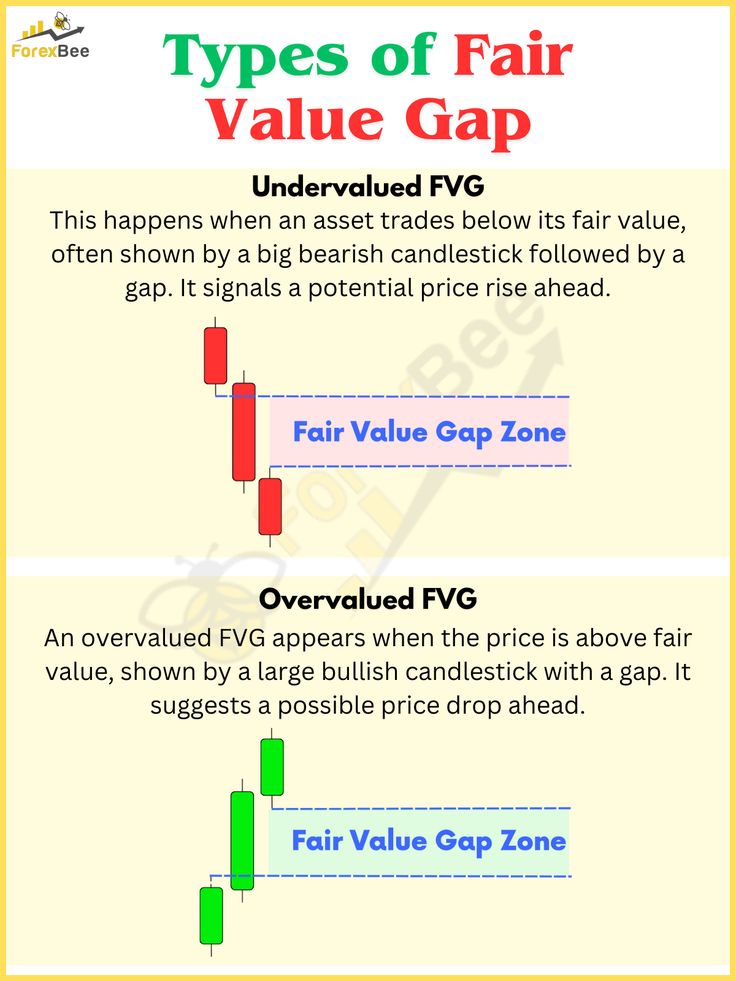
- The Trigger: Wait for the public price chart to align perfectly with your on-chain thesis. Open the Daily or 4-Hour chart of the accumulated asset. Wait until the price executes a clean liquidity sweep, followed immediately by a sharp Market Structure Shift ($MSS$) with true institutional displacement, as detailed in our cornerstone price action guides. Enter your long positions at the resulting lower-timeframe Fair Value Gap ($FVG$).
Step 4: Track the Distribution Cycle for Your Exit Target
Once your position is deeply in profit and the token enters a parabolic, vertical retail mania phase, turn your on-chain tracking alerts back on. Watch for the exact smart money wallets that accumulated the asset at the bottom to start routing their tokens back onto exchange deposit addresses. The moment you see the initial wave of institutional exchange inflows hitting the ledger, lock in your profits immediately. Do not wait for the mainstream media to announce the crash.
Chapter 5: Advanced On-Chain Metrics – Mean Coin Age and Realized Cap
To elevate your order flow analysis to an institutional standard, you must master two critical macroeconomic on-chain metrics that calculate full-network investor psychology:
5.1 Mean Coin Age ($MCA$)
Mean Coin Age measures the average days all network tokens have remained undisturbed inside their current wallet addresses.
- Rising $MCA$: Indicates that investors are heavily holding, chilling, and refusing to move their tokens. This signals complete macro accumulation across the entire network.
- Falling $MCA$: Explodes when old, long-dormant whale wallets suddenly wake up and move their millions of tokens into circulation. A sharp drop in Mean Coin Age is a massive leading indicator of systemic institutional selling, warning you that a severe market correction is approaching.
5.2 Realized Cap vs. Market Cap
While standard Market Cap calculates supply multiplied by current spot price, Realized Cap calculates the value of each token based on the exact price it was last moved on the blockchain ledger. If Realized Cap is rising sharply while Market Cap remains stagnant, it proves that older, cheap tokens are being sold and bought up by new buyers at much higher prices, establishing an incredibly strong, structural macroeconomic price floor for the asset.
Chapter 6: System-wide Performance and Tracking Matrix
To verify you are correctly analyzing on-chain ledger vectors rather than falling for retail trap metrics, monitor this execution quality framework inside your journal:
| Analytical Variable | Amateur Retail Analysis (The Gambler) | TradeSetup On-Chain Framework (The Tracker) |
| Data Source Focus | Relies heavily on social media hype, YouTube influencers, and lagging chart indicators. | Audits raw blockchain explorers, multi-sig wallets, and institutional exchange flow vectors. |
| Accumulation Timing | Buys high into the absolute peak of a trend when the token is trending on Twitter. | Buys low when Mean Coin Age is rising and whales are quietly soaking up supply via OTC desks. |
| Risk Containment | Suffers from devastating drawdowns because they buy right before an institutional unlock dump. | Avoids systemic corrections by tracking exchange inflows and insider wallet distributions early. |
| Exit Strategy Execution | Holds onto a crashing token indefinitely due to cognitive bias and emotional attachment. | Liquidates assets immediately when on-chain tracking networks flag institutional wallet distribution. |
Chapter 7: Your Daily On-Chain Surveillance Execution Routine
To effortlessly build a powerful, automated whale-tracking machine that protects your portfolio and flags high-probability setups, execute this systematic process daily:
| Operational Phase | Dedicated Actionable Workflow | Target Strategic Mechanism |
| Morning Scan (Portfolio Suites) | Open Arkham Intelligence and check your saved list of top 50 smart money crypto wallets. | Identifies any sudden, unexpected cross-chain portfolio rebalancing moves from elite operators. |
| Mid-Day Audit (Exchange Flow Streams) | Check the aggregate net exchange flow metrics for major tier-1 crypto assets. | Verifies whether the macro market environment is experiencing structural supply shocks or distribution dumps. |
| Execution Phase (Chart Alignment) | Overlay on-chain accumulation data with local 4-Hour chart sweeps and lower-timeframe $MSS$ entry models. | Ensures your entries are timed to the exact minute of high-velocity algorithmic market momentum. |
| Nightly Alert Check (Automated Triggers) | Review automated Telegram/Discord bot alerts for any single on-chain transaction exceeding $2 Million value. | Captures late-night whale wallet movements before they manifest on the public centralized order books. |
Conclusion: Stop Guessing, Start Auditing the Ledger
The cryptocurrency market is not a fair, democratic playground where every participant has an equal chance. It is a highly specialized financial ecosystem where whales control the tides, move the structural levers, and design intentional visual traps to strip retail traders of their hard-earned capital. If you continue to trade with your eyes closed to the blockchain ledger, you are essentially gambling against an opponent whose entire hand is fully visible to you if you simply choose to look.
You do not have to be a victim of institutional market manipulation anymore.
By choosing to look past the superficial noise of trading charts, auditing the immutable public ledgers of the blockchain, tracking exchange inflows to avoid distribution traps, monitoring shifts in Mean Coin Age, and aligning your entries with confirmed structural price shifts, you step out of the retail herd. You transform yourself from a blind speculative gambler into an elite on-chain financial investigator.
Stop guessing where the smart money is moving. Access the ledger, track the deep pockets, minimize your execution drawdowns, and allow TradeSetup.online to systematically guide you toward absolute, unshakeable sovereignty and consistent mastery across the digital asset landscape.
Your On-Chain Pre-Trade Checklist:
- Identify tokens experiencing a sustained multi-week rise in Mean Coin Age ($MCA$) during a flat market range.
- Verify that top holder addresses are actively accumulating assets rather than quietly distributing to exchanges.
- Ensure the macro exchange flow chart displays clear, sustained net outflows (supply shock context).
- Wait for a local technical chart liquidity sweep and an $MSS$ body-close before setting any limit trade orders.